
MIM-PANACEA Stainless Steel: Nickel-Free, High-Performance Metal Injection Molding
Quick Answer
PANACEA (Prevent Allergies, Corrosion, Erosion, and Abrasion) is a proprietary, nickel-free austenitic stainless steel engineered for metal injection molding (MIM). It replaces the nickel in 316L with manganese and nitrogen, delivering corrosion resistance that exceeds 316L, tensile strength above 1,090 MPa, and full biocompatibility. PANACEA is the preferred MIM grade for medical devices, marine hardware, luxury watches, and automotive sensors where nickel allergy, chloride exposure, or magnetic interference must be eliminated.
MIM materials selection is a critical engineering decision at Emitech. We process PANACEA alongside stainless steel injection molding grades such as MIM-316, MIM-304, and 17-4PH. PANACEA fills a unique gap: it delivers the non-magnetic, polishable, and biocompatible behavior of austenitic stainless steels while removing the nickel allergen that limits 316L and 304 in wearable and implantable applications.
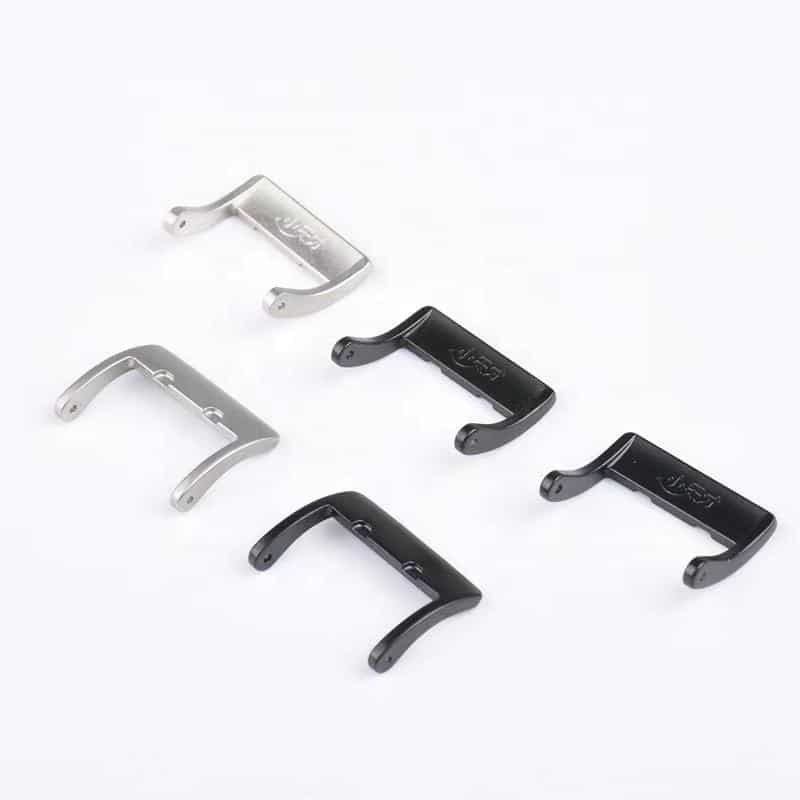
What Is PANACEA Stainless Steel?
PANACEA is a patented, high-nitrogen, high-manganese austenitic stainless steel developed for powder metallurgy and MIM production. Unlike conventional austenitic grades that rely on 8-14% nickel to stabilize the austenitic structure, PANACEA uses 10-12% manganese combined with 0.75-0.90% dissolved nitrogen. The result is a fully non-magnetic material classified as nickel-free under EU Directive 94/27/EC because its nickel content remains below 0.1%.
The acronym PANACEA reflects its design intent: Prevent Allergies, Corrosion, Erosion, and Abrasion. Originally developed for watchmaking and medical implants, the alloy flows exceptionally well during MIM injection molding, fills thin walls, and sinters to a dense, homogeneous microstructure that polishes to a high cosmetic finish. At Emitech, we combine PANACEA MIM with precision CNC machining and quality inspection for critical dimensions and threads.
Chemical Composition of PANACEA
The chemical balance of PANACEA is the key to its performance: chromium provides corrosion resistance, molybdenum improves pitting resistance, manganese and nitrogen replace nickel for austenite stability, and carbon is tightly controlled for ductility.
| Element | PANACEA | 316L SS | 304 SS | Function |
|---|---|---|---|---|
| Iron (Fe) | Balance | Balance | Balance | Base metal |
| Chromium (Cr) | 16.5 - 17.5% | 16 - 18% | 18 - 20% | Corrosion resistance |
| Manganese (Mn) | 10.0 - 12.0% | ≤ 2% | ≤ 2% | Nickel replacement, austenite stabilizer |
| Molybdenum (Mo) | 3.0 - 3.5% | 2 - 3% | — | Pitting resistance |
| Nitrogen (N) | 0.75 - 0.90% | ≤ 0.1% | ≤ 0.1% | Strength enhancement |
| Carbon (C) | 0.0 - 0.2% | ≤ 0.03% | ≤ 0.08% | Controlled for ductility |
| Nickel (Ni) | ≤ 0.1% | 10 - 14% | 8 - 10.5% | Allergen elimination |
Material Characteristics Comparison
PANACEA is not simply a nickel-free version of 316L. Nitrogen raises strength, molybdenum improves chloride resistance, and the absence of nickel eliminates the most common metal-allergy trigger.
| Property | PANACEA | 316L SS | 304 SS |
|---|---|---|---|
| Magnetic Response | Non-magnetic | Non-magnetic | Non-magnetic |
| Corrosion Resistance | Excellent | Good | Moderate |
| Relative Strength | Very High | Moderate | Moderate |
| Polishability | Excellent | Good | Good |
| Biocompatibility | Excellent | Good | Limited |
| Allergen Risk | Minimal | High | High |
In 1,000-hour salt spray testing per ASTM B117, PANACEA shows only 0.003% weight loss versus 0.018% for 316L and 0.045% for 304. Pitting and crevice corrosion are minimal on PANACEA, making it a better long-term choice for marine, surgical, and wearable applications than either conventional grade.
Mechanical Properties
The high nitrogen content gives PANACEA a strength advantage over standard austenitic stainless steels without sacrificing ductility. The table below compares typical MIM-sintered values.
| Property | PANACEA | 316L SS | 17-4 PH | Unit |
|---|---|---|---|---|
| Density | ≥ 7.50 | 7.99 | 7.75 | g/cm³ |
| Tensile Strength | ≥ 1,090 | 485 | 1,070 | MPa |
| Yield Strength (0.2%) | ≥ 690 | 170 | 1,000 | MPa |
| Hardness (Sintered) | 300 | 165 | 330 | HV10 |
| Hardness (Heat Treated) | 320 | 165 | 360 | HV10 |
| Elongation | ≥ 35% | 40% | 10% | over 25.4 mm |
Advantages of PANACEA vs 316L and 17-4PH
Choosing between PANACEA, 316L, and 17-4PH depends on whether the priority is corrosion resistance, strength, biocompatibility, or magnetic behavior.
PANACEA vs MIM-316L
- Corrosion resistance: PANACEA offers approximately 25% better corrosion resistance than 316L in chloride-rich environments such as seawater, sweat, and sterilization cycles.
- Strength: PANACEA tensile strength is roughly 35% higher than 316L, allowing thinner walls and lighter components.
- Allergen profile: PANACEA is nickel-free, whereas 316L contains 10-14% nickel and can trigger contact dermatitis.
- Polish and appearance: PANACEA achieves a brighter, more stable cosmetic finish valued in luxury watches and jewelry.
PANACEA vs 17-4PH
- Magnetism: PANACEA remains fully non-magnetic after sintering, while 17-4PH is magnetic and can interfere with sensors or MRI equipment.
- Corrosion resistance: PANACEA outperforms 17-4PH in chloride and acidic environments.
- Strength: Hardened 17-4PH can reach higher ultimate strength, but PANACEA delivers a superior combination of strength, ductility, and corrosion resistance in the as-sintered condition.
- Biocompatibility: PANACEA is preferred for long-term skin contact and implantable devices.

Applications of MIM-PANACEA
PANACEA’s property balance suits demanding applications across multiple industries. The table below summarizes common uses and advantages.
| Industry | Applications | Key PANACEA Advantage |
|---|---|---|
| Medical | Implantable devices, surgical tools, orthodontic brackets | Biocompatibility, corrosion resistance, nickel-free |
| Marine | Fasteners, valve components, sensor housings | Superior chloride resistance |
| Watch & Jewelry | Watch cases, bezels, clasps, jewelry findings | Hypoallergenic, superior polish |
| Automotive | Precision sensors, connectors, fuel-system parts | Non-magnetic, high strength |
| Consumer Electronics | Smartphone components, hinge mechanisms, housings | Miniaturization, non-magnetic |
Medical Industry
Medical device OEMs choose PANACEA when long-term implantation or continuous skin contact is expected. It meets ISO 10993 biocompatibility requirements and is used in medical devices where nickel release must be minimized; Class III implantable applications require device-specific validation and regulatory approval. Because it is nickel-free, PANACEA eliminates the risk of nickel-ion release that can cause adverse tissue reactions. Emitech supports medical programs with full traceability and process validation aligned with medical industry standards.
Marine Equipment
Seawater and coastal atmospheres are highly corrosive to most metals. PANACEA’s elevated molybdenum and nitrogen content provide exceptional resistance to pitting and crevice corrosion, making it ideal for marine fasteners, valve seats, sensor housings, and diving equipment.
Luxury Watches and Jewelry
Watch cases, bezels, bracelets, and clasps require premium appearance and hypoallergenic safety. PANACEA can be polished to a mirror finish and is safe for wearers with nickel sensitivity. Its non-magnetic behavior also protects mechanical watch movements from magnetic fields.
Automotive Sensors and Connectors
Modern vehicles rely on magnetic sensors, connectors, and fuel-system components. PANACEA provides the non-magnetic response and mechanical strength needed for these precision parts while resisting road salts and engine-bay temperatures. Learn more on our automotive MIM parts page.
Consumer Electronics
Smartphones, wearables, and wireless earbuds demand miniaturized metal components that do not interfere with antennas, wireless charging coils, or NFC circuits. PANACEA’s non-magnetic nature and ability to form thin walls down to 0.3 mm make it an excellent fit for consumer electronics hardware.

Sintering Behavior and MIM Process Control
PANACEA sinters successfully using standard MIM thermal cycles, but its nitrogen and manganese content requires tighter atmosphere control than 316L. The nitrogen must remain in solution to maintain austenite stability and strength.
| Parameter | Recommended Range | Impact |
|---|---|---|
| Sintering Temperature | 1,310 - 1,380°C | Controls densification and phase formation |
| Atmosphere | N₂ + H₂ (5-10%) | Retains nitrogen and manganese |
| Dwell Time | 60 - 120 minutes | Ensures complete homogenization |
| Cooling Rate | 5 - 10°C/min | Maintains austenitic phase stability |
Post-sintering heat treatment is used when stress relief or dimensional stabilization is required. Solution annealing at 1,050-1,120°C followed by water quench restores corrosion resistance after any mechanical processing, while stress relief at 450-550°C reduces residual stresses without significant property loss. Emitech’s MIM process team develops furnace profiles specifically for each alloy to ensure repeatable density, chemistry, and mechanical properties.
Surface Treatment for PANACEA MIM Parts
Surface finishing enhances PANACEA’s appearance, passivity, and functional performance. Because PANACEA forms a stable passive layer, it responds exceptionally well to electropolishing and passivation. Emitech offers a full range of MIM surface treatments matched to the alloy and application.
| Treatment | Process Time | Corrosion Improvement | Benefit |
|---|---|---|---|
| Electropolishing | 3 - 5 minutes | +40% | Bright finish, enhanced passive layer |
| Passivation | 20 - 30 minutes | +30% | Chromium oxide restoration |
| Citric Acid Bath | 60 minutes | +25% | Environmentally friendly option |
| PVD Coating | Varies | Substrate dependent | Decorative colors, added hardness |
For medical and marine parts, electropolishing followed by passivation is the most common specification because it removes surface defects, enriches the passive film, and improves cleanability. For luxury watches, PVD coatings over a polished PANACEA substrate provide durable color finishes. When threads, bores, or tight tolerances are required, we finish MIM-PANACEA parts with precision CNC machining before final surface treatment.
Design and Quality Considerations
Successful PANACEA MIM designs follow standard rules: uniform wall thickness, generous radii, adequate draft, and avoidance of thick sections that trap binder. Because PANACEA is stronger than 316L, it supports thinner walls, but post-sintering machining requires rigid tooling.
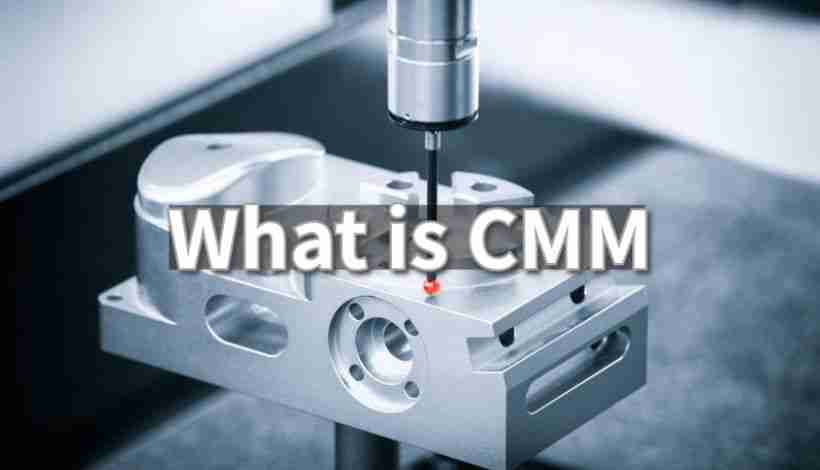
Emitech’s quality inspection program for PANACEA includes nitrogen verification, manganese monitoring, metallography, density testing, tensile testing, hardness testing, and CMM inspection. For medical and automotive customers, we provide first-article dimensional inspection and complete lot traceability.
Frequently Asked Questions
Q: Is PANACEA truly nickel-free?
A: Yes. PANACEA contains a maximum of 0.1% nickel, which is classified as nickel-free under EU Directive 94/27/EC. This makes it suitable for individuals with nickel sensitivities and for long-term skin-contact or implantable devices.
Q: How does PANACEA compare to MIM-316L?
A: PANACEA offers approximately 25% better corrosion resistance and 35% higher strength than 316L, while eliminating nickel. It is the better choice when nickel allergy, chloride exposure, or higher mechanical loads are concerns. MIM-316 remains cost-effective for general medical, marine, and food-equipment parts where nickel content is acceptable.
Q: What biocompatibility testing supports PANACEA?
A: PANACEA has been evaluated according to ISO 10993 standards, including cytotoxicity, sensitization, and implantation tests. It is suitable for medical devices when processed under validated conditions; Class III implantable use requires device-specific validation and regulatory approval.
Q: Can PANACEA be used for watch cases and jewelry?
A: Yes. PANACEA polishes to an excellent cosmetic finish, is non-magnetic, and is hypoallergenic. These properties make it ideal for watch cases, bezels, bracelets, clasps, and jewelry findings that contact skin continuously.
Q: What is the minimum wall thickness for MIM-PANACEA?
A: MIM-PANACEA can achieve wall thicknesses as low as 0.3 mm while maintaining structural integrity, making it well suited for miniaturized consumer electronics, medical devices, and watch components.
Q: How does PANACEA perform in saltwater or marine environments?
A: PANACEA performs exceptionally well in marine environments. In 1,000-hour ASTM B117 salt spray testing, PANACEA showed only 0.003% weight loss with minimal pitting and no detectable crevice corrosion.
Q: Is PANACEA magnetic?
A: No. PANACEA is fully austenitic and non-magnetic in the as-sintered condition. This is important for medical imaging equipment, mechanical watches, and electronic devices where magnetic interference must be avoided.
Q: What surface treatments are recommended for PANACEA?
A: Electropolishing and passivation are the most common treatments because they enhance the passive layer and improve corrosion resistance. Citric acid passivation and PVD coatings are also available.
Q: Can PANACEA MIM parts be machined after sintering?
A: Yes, but its high strength requires appropriate tooling and cutting parameters. Emitech minimizes post-sintering machining through careful MIM design and uses CNC machining only for critical tolerances, threads, and bores.
Q: How do I request a quote for PANACEA MIM parts?
A: Send your drawings or requirements to mim@mikeshoppingroom.com or WhatsApp +86 138 1403 4409. Emitech’s engineering team will review your design and recommend the best PANACEA processing, heat treatment, and surface finishing route.
Source Custom MIM Parts from Emitech
Nanjing Emitech delivers MIM from tooling through sintering and finishing. Custom MIM parts · MIM services · Request a quote
Last updated: 2026-09-08